Why this site exists
ADU information is scattered across zoning codes, building rules, program pages and construction advice. A state law is only part of the answer, and nearby municipalities can have different rules. We bring those pieces together in plain language, link to the sources and say when something still needs confirmation.
How to use it
- Start with your questions. Learn what an ADU is, compare types, think about who would live there and understand the budget.
- Find the rules. Research an address or start with a state or municipality. Explore available public sources and see which zoning, approval and property questions still need checking.
- Explore the possibilities. Compare concept homes, layouts, accessibility choices, site conditions and utilities before paying for design.
- Talk about your project. Get in touch with our team about your idea. Property review, design, approvals and a construction scope need to be worked through before building work can be agreed.
What you can expect from the research
State and municipality pages show sources and the dates they were checked. Proposed legislation is kept separate from enacted law. Where we have not confirmed a rule, we say so. A ZIP code helps you find the right research; it never decides whether your lot qualifies.
The property checker accepts U.S. addresses and investigates available public ordinance and HOA records. It shows its sources and keeps missing or unconfirmed information visible. Our saved municipality guides are concentrated in New York; state guides cover all 50 states and Washington, D.C. The guide to checking local rules can help wherever your property is.
Ideas are a starting point
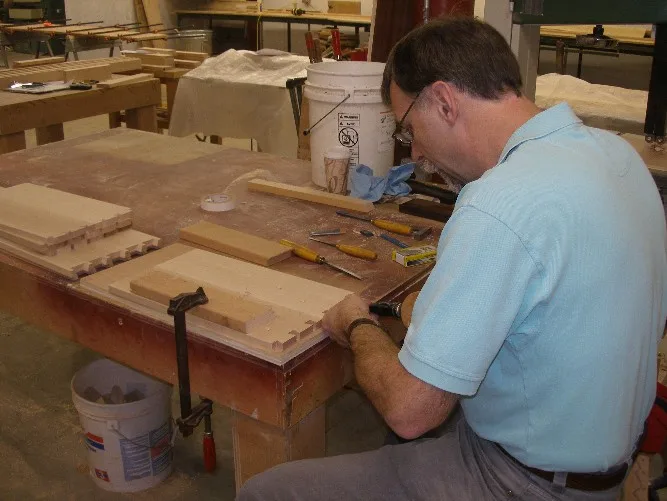
Our concept homes are illustrations, not finished builds or approved plans. The craft archive shows existing homes and woodwork, separately labelled, so you can explore materials and details without mistaking them for completed ADUs.
Talk about building an ADU
Tell us where you’re planning, who the home is for and what you have in mind. Start a project conversation about the site, design and possible next steps.
Help us make this more useful
Found an outdated source, an unclear explanation or a question we should cover? Email the team or get in touch.